News
Filtered By
Results
Using reason, again and again
Philosopher Brian Hedden studies decision-making over time — and recently chose to return to alma mater MIT, where he is now connecting ethics and computing.
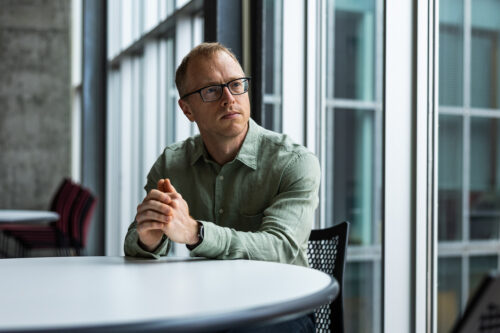
Toward a future that preserves benefits of neurotechnology for all
PhD student Rachel Sava, winner of the Envisioning the Future of Computing Prize, explores transformative improvements and dystopian risks of neural technology.
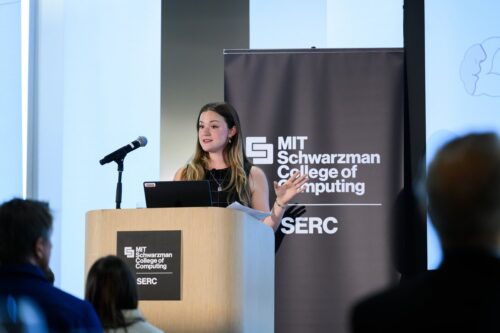
Exploring the societal impacts of AI
During the AI and Society Forum, leading MIT researchers examined critical questions about AI’s influence on employment and democracy.
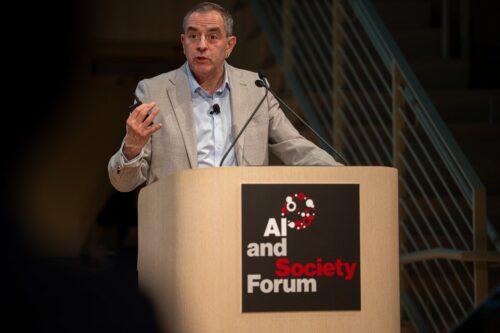
The crucial human component in computing and AI
The MIT Ethics of Computing Research Symposium brings together experts and researchers working at the heart of ethical and social impact in technology.
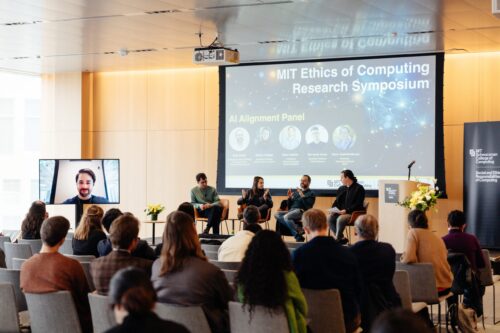
Q&A: MIT SHASS and the future of education in the age of AI
Dean Agustín Rayo reflects on how AI is reshaping higher education and why the School of Humanities, Arts, and Social Sciences disciplines continue to be central to MIT’s mission.
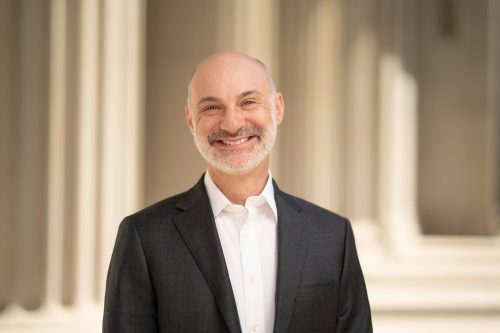
A philosophy of work
As the NC Ethics of Technology Postdoctoral Fellow, Michal Masny is advancing dialogue, teaching, and research into the social and ethical dimensions of new computing technologies.
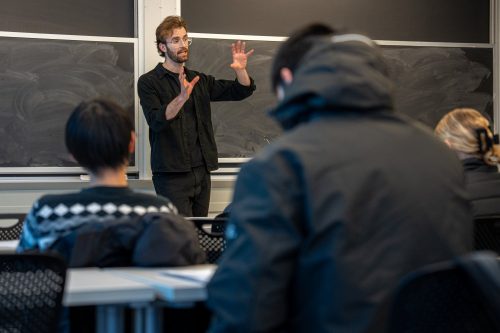
Brian Hedden named co-associate dean of Social and Ethical Responsibilities of Computing
He joins Nikos Trichakis in guiding the cross-cutting initiative of the MIT Schwarzman College of Computing.
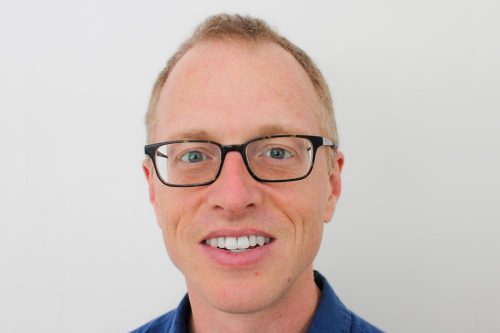
New method improves the reliability of statistical estimations
The technique can help scientists in economics, public health, and other fields understand whether to trust the results of their experiments.
Q&A: On the ethics of catastrophe
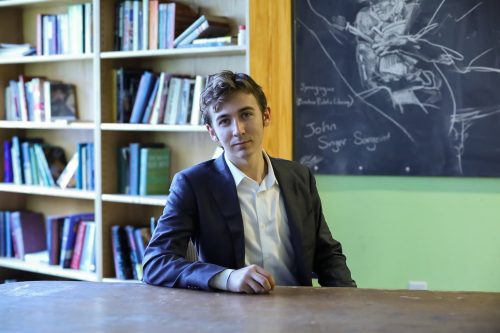
Jack Carson, an MIT second-year undergraduate and EECS major, is the recent winner of the Elie Wiesel Prize in Ethics.
Second round of SERC seed grants awarded to MIT scholars
The eight selected projects propose impactful research in ethical technology development.