Social and Ethical Responsibilities of Computing (SERC)
Promoting understanding of the challenges and opportunities of new technologies, and how we can improve design, policy, and implementation.
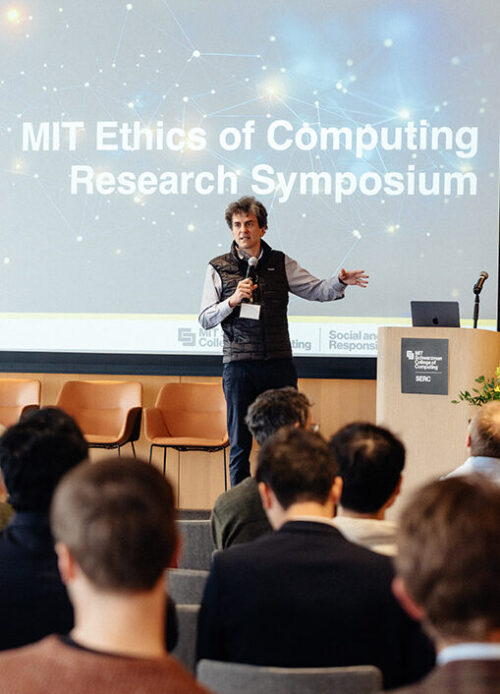


The Social and Ethical Responsibilities of Computing (SERC) studies and teaches how AI and computing can impact society — and how they can be designed and used in ethical ways that benefit humanity.
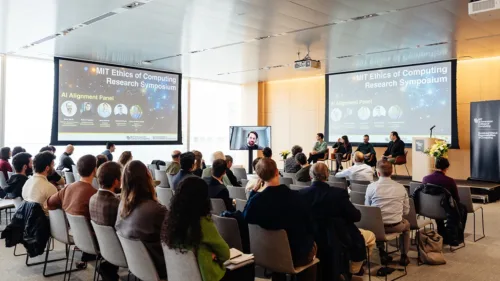
Through interdisciplinary research, teaching, and engagement, SERC promotes understanding of the challenges and opportunities of new technologies, and how we can improve design, policy, and implementation.
SERC is led by associate deans Nikos Trichakis, the J.C. Penny Professor of Management, and Brian Hedden, professor of philosophy holding an MIT Schwarzman College of Computing shared position with the Department of Electrical Engineering and Computer Science.
SERC Framework
Teaching & Learning
Preparing students to imagine, shape, and responsibly steward the future of computing.
Research
Catalyzing interdisciplinary research and supporting emerging scholars and ideas to illuminate and address computing’s social and ethical impacts.

Broader Engagements
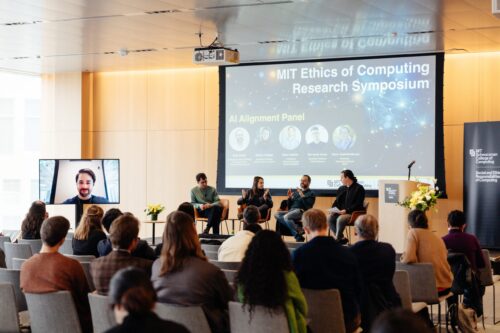
Fostering dialogue across disciplines and communities around the opportunities, challenges, and consequences of computing.